This post is also available in:


Martha Lukasi is the Executive Director of Sibusiso in Arusha, Tanzania. In 2026, the center will be strengthened as a leading rehabilitation center, and outreach activities will be expanded as Community Based Inclusive Development (CBID) through mobile clinics. Martha tells us about the new activities.
Martha, Sibusiso has existed for 25 years. Why a new approach now?
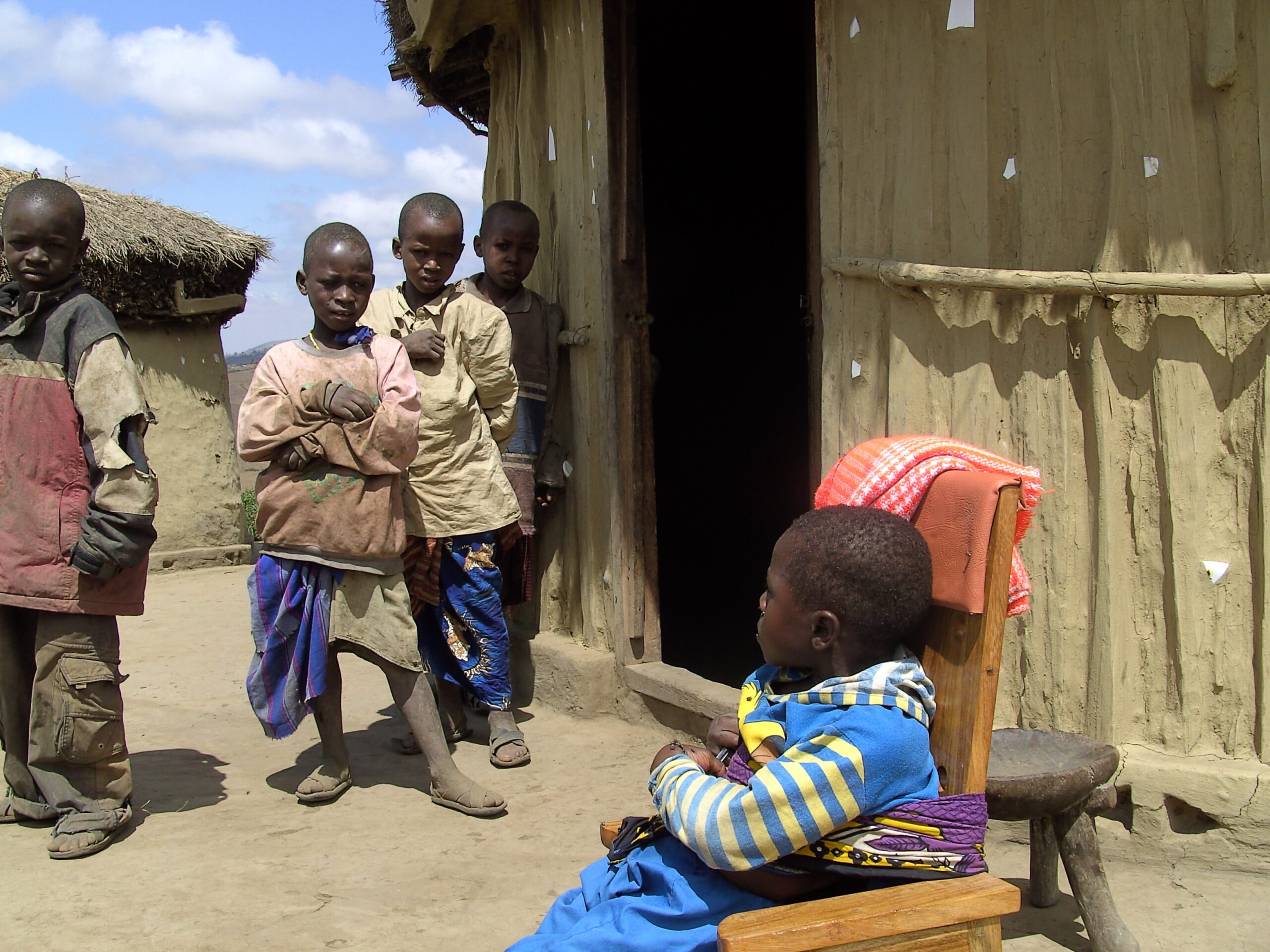
“For 25 years, Sibusiso has provided rehabilitation with programs at the center and through the outreach program in the villages near the center. However, our experience shows that this model does not work sufficiently for families who live far away, have no transportation, or face stigma that prevents them from making adequate use of our services. We are determined to reach these children as well.”
What will Sibusiso do differently now?
“In 2026, Sibusiso will adopt a hybrid model that combines center-based care with Community Based Inclusive Development (CBID), by providing monthly rehabilitation services via a mobile clinic. We will provide care together with the communities, the families, and the local authorities. In this way, we also hope to address the stigma and exclusion of children with disabilities. We are starting with a pilot in the Maji ya Chai ward in the Arumeru district.”
What happens in such a mobile clinic?
“Our team of professionals, including therapists, social workers, and teachers, travels to underserved areas to assess children, provide rehabilitation, train caregivers, and guide families on how they can support their children at home. What is new is that we involve local healthcare providers in the work and connect families with our services. In addition, it is important to increase awareness regarding the rights and inclusion of people with disabilities.”
Why is this community involvement so important?
“Because lasting change does not happen by itself; it must emerge within the communities. When we support families, inform communities, and ensure that local governments share ownership of the issues, children with disabilities have a much greater chance in the long term. Community involvement helps break down stigma and taboos, improves access to services, and ensures that inclusion is not temporary but sustainable.”
Is this a replacement for the rehabilitation center?
“No, absolutely not. The center remains the heart of our work. In fact, we are strengthening it as a center with high-quality rehabilitation, a place for learning and/or referral to specialist care. What is changing is that we are expanding our reach so that support does not stop at the center but continues to the families at home and in the communities.”
What does this step mean for the future of Sibusiso?
“This is an important step toward achieving our goal: a sustainable impact and shared responsibility within the communities. Our aim is to reach and help more than 2,500 children and young people with developmental disabilities through our rehabilitation services by 2030. This way, many more children with disabilities will get a fair chance in Tanzania.”
Are there any other changes to the Sibusiso program this year?
“Yes, certainly. With the start of the new activities, we are reviewing our budget and streamlining the organization of our programs at the center. For example, we are shortening the 7-week program to 5 weeks to allow for more cycles. We are also focusing more on social engagement, awareness, and advocating for the rights of children with disabilities. We are doing this through closer cooperation with the government and local communities.”
Finally: what drives you personally in this project?
“Every day, I see the difference it makes when a child is truly seen, valued, and given a chance to blossom. When you see a child who was once excluded and can now participate, learn, and be accepted in his or her community, it gives me an enormous amount of energy and hope.”